

CogniCare Pro Ingredients: Full Breakdown (2026)
CogniCare Pro ingredients (2026): Bacopa, Phosphatidylserine, L-Tyrosine, Huperzine-A explained — what's proven and the caveats.

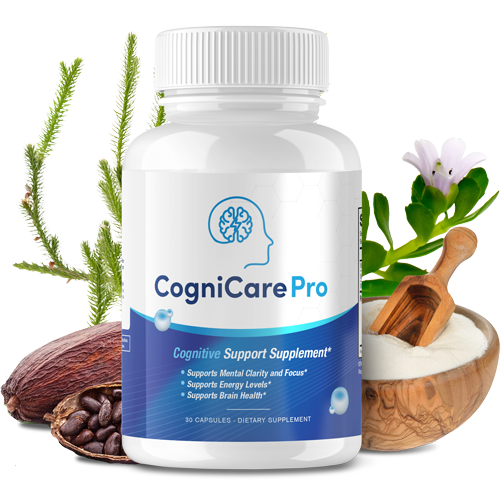
Full breakdown of the CogniCare Pro ingredients — the nootropic stack and what the evidence supports. Full review: CogniCare Pro review.
Key ingredients
Bacopa Monnieri — memory research. Phosphatidylserine — brain-cell membrane support/memory. L-Tyrosine — focus under stress. Rhodiola Rosea — mental fatigue/adaptogen. Huperzine-A — acetylcholinesterase inhibitor. Theobromine and Green Coffee — gentle stimulation/circulation.
The evidence & caveat
A genuinely sensible focus/memory line-up. Caveats: proprietary blend hides doses, it contains mild stimulants (not ideal late in the day), and Huperzine-A is potent. See does it work.
How to take
Taken as directed on the official label; consistency matters for memory ingredients like Bacopa.
How to read the label
Compare the amounts on the label with the doses used in published studies. When a formula lists a proprietary blend without individual doses, nobody can make that comparison, so treat specific benefits as the manufacturer's claims. Check for allergens and for ingredients you already take in other products.
Safety notes
Ginkgo and some nootropic ingredients can increase bleeding risk or interact with medicines.
No supplement has been proven to prevent dementia or reliably improve memory in healthy adults. Physical activity, blood-pressure control, hearing care, social activity and good sleep are linked to better brain health.
Frequently Asked Questions
What's in CogniCare Pro?
Bacopa, Phosphatidylserine, L-Tyrosine, Rhodiola, Huperzine-A, Theobromine and Green Coffee.
Does it contain stimulants?
Mild ones (theobromine/green coffee) — avoid late in the day if sensitive.
Affiliate disclosure: this page contains affiliate links; we may earn a commission at no extra cost to you. Health disclaimer: information only, not medical advice. Not evaluated by the FDA; not intended to diagnose, treat, cure or prevent any disease. Results may vary. Consult your doctor before use.
Sources & further reading
- How safe is this product or practice? (NIH / NCCIH)
- Dietary supplements (U.S. FDA)
- Botanical supplement fact sheets (NIH Office of Dietary Supplements)
Last reviewed: October 2026. Read how we review supplements, our editorial policy and affiliate disclosure.