

Neuro-Balance Therapy Review 2026: An Independent, Evidence-Based Look
Neuro-Balance Therapy review 2026: every ingredient checked, side effects, interactions, complaints and where to buy safely.

Last updated: October 2026 · Independent review · No testimonials, no paid placement
Looking for an honest Neuro-Balance Therapy review? Most pages ranking for this product repeat the sales page. This one does not. We checked the label, every named ingredient, the doses, the interactions, the guarantee and the buying risks against independent sources, mainly the U.S. National Institutes of Health, and we tell you plainly where the evidence is thin. We did not personally test the product, and we do not publish invented testimonials.
The short answer
Neuro-Balance Therapy is an exercise-based program. Exercise genuinely helps this kind of problem, but the program itself has not been tested in a published study and its explanation of the cause is simplified. If you try it, check your medicines first and use the guarantee (a 60-day money-back guarantee) as your safety net.
Key takeaways
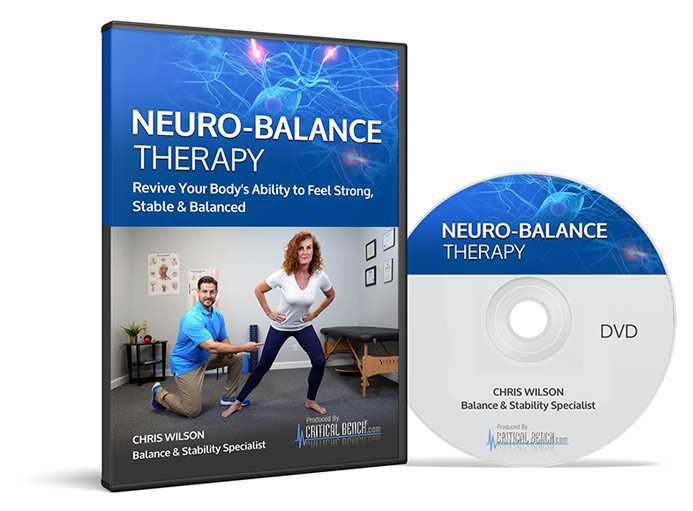
- Neuro-Balance Therapy comes as video exercise program (DVD or digital) with a textured spike ball and a home fall-proofing checklist and is marketed as a product that restores balance by stimulating the peroneal nerve in the feet and lower legs.
- Exercise is a proven approach for this problem, but this program has not been tested in a published study.
- Label transparency: not applicable, as it is a program.
- Main safety point: check it against your medicines and conditions with a pharmacist before starting.
- Guarantee: a 60-day money-back guarantee; buy only from the official website to keep it.
- Evidence-based care for balance and dizziness should come first; treat any product as an optional extra.
Contents
- At a glance
- What it is
- Claims vs. what we verified
- What the program includes
- Does it work?
- The research in detail
- Understanding balance and dizziness
- How a professional assesses it
- Practical self-care
- Is it right for you?
- Side effects and interactions
- Complaints
- Is it legit or a scam?
- How to trial it fairly
- Price, guarantee and refunds
- Where to buy safely
- Canada, UK and Australia
- Compared with similar products
- Evidence-based alternatives
- Pros, cons and verdict
- FAQ
Neuro-Balance Therapy at a glance
- Format: video exercise program (DVD or digital) with a textured spike ball and a home fall-proofing checklist
- How it is used: a short daily routine
- Main claim: restores balance by stimulating the peroneal nerve in the feet and lower legs
- Label transparency: not applicable (program)
- Guarantee: a 60-day money-back guarantee
- Seller: promoted by Chris Wilson, described as a balance specialist
- Pricing: digital version cheaper than the DVD bundle
- Our evidence rating: Exercise approach supported by research; this specific program untested
What is Neuro-Balance Therapy?
Neuro-Balance Therapy comes as video exercise program (DVD or digital) with a textured spike ball and a home fall-proofing checklist, marketed as a product that restores balance by stimulating the peroneal nerve in the feet and lower legs. The recommended use is a short daily routine. It is sold by promoted by Chris Wilson, described as a balance specialist. It is an exercise program, not a supplement.
Like most products in this category, it is sold direct to consumers online, promoted through long sales pages and affiliate reviews, and backed by a money-back guarantee rather than by published clinical trials. That does not make it a scam, but it does mean the burden of proof sits with the claims, and that is what we checked.
How Neuro-Balance Therapy is marketed, and what we could verify
The claim: it restores balance by stimulating the peroneal nerve in the feet and lower legs.
What we found: Balance depends on the inner ear, vision and sensation and strength in the legs; blaming most falls on one dormant nerve is not supported. What is well supported is progressive balance and strength training, such as the Otago program, and vestibular rehabilitation when dizziness comes from the inner ear.
Important: Some promotional pages advise against consulting a physiotherapist before starting. We disagree: anyone with frequent falls, dizziness, neuropathy or recent fractures should be assessed first. Practise near a counter or wall and stop if you feel dizzy.
What the program includes
Video exercise program (DVD or digital) with a textured spike ball and a home fall-proofing checklist. The recommended routine is a short daily routine.
What exercise science says
No supplement or single nerve-stimulation trick has been shown to fix balance. What is well supported is targeted exercise: vestibular rehabilitation for inner-ear problems, repositioning maneuvers for BPPV, and progressive balance and strength programs such as the Otago program, which reduce falls in older adults.
The active ingredient of a program like Neuro-Balance Therapy is your own movement. Results depend on choosing exercises that match the cause of the problem, progressing them gradually and doing them consistently for weeks.
How to do it safely
- Get a diagnosis first if pain or symptoms are severe, worsening, present at night or followed a fall or injury.
- Start at the easiest level and progress only when an exercise feels comfortable.
- Mild discomfort that settles within a day is acceptable; sharp or increasing pain is not.
- Combine the program with general activity such as walking.
- If there is little improvement after four to six weeks, ask a physiotherapist to assess you.
Does Neuro-Balance Therapy work?
The approach is reasonable and exercise-based, but there is no published study of this specific program. No supplement or single nerve-stimulation trick has been shown to fix balance. What is well supported is targeted exercise: vestibular rehabilitation for inner-ear problems, repositioning maneuvers for BPPV, and progressive balance and strength programs such as the Otago program, which reduce falls in older adults.
What realistic results look like
For products in this category, the honest expectation is no change for many users and a modest change for some. Dramatic results promised in a few days or weeks are not supported by evidence. If symptoms are significant, evidence-based care will usually do far more than any supplement.
The research on balance and dizziness products, in detail
A Cochrane review of vestibular rehabilitation, the exercise-based treatment for inner-ear balance problems, concluded that there is moderate to strong evidence that it is safe and effective for people with one-sided vestibular loss, improving dizziness and daily function. The exercises retrain the brain to use signals from the eyes, the remaining inner-ear function and the body to keep balance.
For benign paroxysmal positional vertigo, the most common cause of spinning dizziness when turning in bed or looking up, repositioning maneuvers such as the Epley maneuver are highly effective. Cochrane reviews found that a single maneuver resolves symptoms in a large proportion of people compared with sham treatment.
For falls in older adults, the evidence is equally clear. A large Cochrane review found that exercise programs reduce the rate of falls in older people living in the community by about a quarter, with the best results from programs that challenge balance and include strength training, such as the Otago program and tai chi. Home hazard modification and medicine review also reduce falls.
By contrast, supplements have not been shown to prevent falls in people who are not deficient. The U.S. Preventive Services Task Force recommends against vitamin D supplementation to prevent falls in community-dwelling older adults.
For anyone with dizziness or unsteadiness, the most effective path is a clear diagnosis followed by targeted exercise with a professional trained in vestibular and balance rehabilitation.
Understanding balance and dizziness: the bigger picture
Good balance depends on three systems working together: the inner ear (vestibular system), vision, and the sensation and strength in the feet and legs. When one of them sends weak or conflicting signals, people feel dizzy, unsteady or afraid of falling. Common causes in adults include benign paroxysmal positional vertigo (BPPV), inner-ear inflammation, migraine, side effects of medicines, low blood pressure on standing, nerve damage in the feet and loss of leg strength. Falls are a leading cause of injury in older adults, so the cause of imbalance matters: the right exercises for an inner-ear problem are different from those for weak hips or numb feet.
What helps regardless of supplements
- Medical assessment to find the cause of dizziness or unsteadiness.
- Vestibular rehabilitation exercises with a trained physiotherapist.
- Repositioning maneuvers for BPPV when diagnosed.
- Progressive balance and leg-strength training.
- Fall-prevention steps at home: lighting, rails, removing loose rugs, a medicine review.
Warning signs that need a doctor
Sudden dizziness with slurred speech, facial drooping, weakness, severe headache or double vision is an emergency: call emergency services.
How a professional assesses balance and dizziness
A balance assessment usually includes questions about the type of dizziness (spinning, light-headedness or unsteadiness), when it happens and what triggers it, followed by blood pressure lying and standing, an eye-movement examination, positional tests for BPPV such as the Dix-Hallpike test, and checks of sensation, strength and walking. Timed tests such as the Timed Up and Go and single-leg stance help measure fall risk and track progress. A medicine review is essential, because several common drugs cause dizziness.
Myths and facts about balance and dizziness
Myth: Poor balance is just part of ageing.
Fact: Balance does decline with age, but much of the loss is due to inactivity and treatable problems, and balance training improves it at any age.
Myth: If you are afraid of falling, you should move less.
Fact: Moving less weakens muscles and worsens balance; supervised, progressive practice is safer in the long run.
Myth: Dizziness always comes from the ears.
Fact: Dizziness can come from the inner ear, blood pressure, medicines, the heart, the neck, the brain or anxiety, which is why assessment matters.
Myth: One nerve controls your balance.
Fact: Balance depends on the inner ear, vision, sensation in the feet and the brain working together.
Questions to ask your doctor or pharmacist about Neuro-Balance Therapy
- Could any of my symptoms have a cause that needs testing first?
- Do any of these ingredients interact with my medicines: the product's ingredients?
- Is there an evidence-based treatment I should try first or alongside it?
- What warning signs should make me stop and call you?
- How should I measure whether it is helping?
- Is it safe with my other conditions, such as kidney, liver or heart disease?
What we would want to see from the maker
These are the steps that would move Neuro-Balance Therapy from marketing claims towards credible evidence:
- At least one published, placebo-controlled trial of the finished program.
- Claims limited to what the evidence supports, without disease-cure language.
- Clear refund terms stating whether the window starts at order or delivery.
Principles of a good home exercise progression
Whether you use Neuro-Balance Therapy or another program, the same principles from physiotherapy practice apply. Start with exercises you can do with good control and little discomfort. Progress one variable at a time: more repetitions, then more sets, then a harder position or a little more load. Practise most days, but allow recovery after harder sessions. Keep a simple log of what you did and how you felt the next day. If pain flares, return to the previous level rather than stopping completely. Expect meaningful change in strength and confidence over six to twelve weeks, not days, and ask for an individual assessment if progress stalls.
Practical self-care for balance and dizziness
Whatever you decide about Neuro-Balance Therapy, these everyday steps, drawn from clinical guidance and rehabilitation practice, make a real difference:
Day-to-day balance safety starts at home. Most falls happen during ordinary activities such as getting out of bed at night, walking to the bathroom or turning quickly in the kitchen. Good lighting, including night lights, firm handrails on stairs, grab bars in the bathroom, non-slip mats and removing loose rugs and cables reduce the risk considerably.
When you get up from lying or sitting, pause for a few seconds before standing and walking, especially if you take blood-pressure medicines, because a drop in blood pressure on standing is a common cause of light-headedness. Wear supportive, well-fitting shoes with thin, firm soles rather than slippers. Have your eyes checked regularly and avoid walking with multifocal glasses on stairs if they blur your view of the steps.
Simple balance practice can be done safely at home once a professional has confirmed it is appropriate: standing with feet closer together while holding a counter, standing on one leg with support, heel-to-toe standing, and sit-to-stand repetitions from a firm chair. Always practise next to something stable, progress slowly, and stop if you feel dizzy. Strength in the hips and ankles is just as important as balance itself.
If dizziness is triggered by turning in bed, looking up or bending down, ask about BPPV, because a simple repositioning maneuver can resolve it. If dizziness comes with headaches, light sensitivity or a history of migraine, mention it: vestibular migraine is common and treatable.
Staying active matters. People who avoid activity because they fear falling lose strength and confidence, which raises their fall risk further. Walking, tai chi and supervised group exercise classes are excellent options.
Signs the program is working, and signs it is not
Positive signs include being able to do daily tasks with less pain or more confidence, needing less time to recover after activity, and gradually doing more repetitions or harder versions of the exercises. Negative signs include pain that is steadily increasing, new swelling, night pain, giving way, numbness or new dizziness. Progress is rarely linear: good and bad days are normal, so judge the trend over several weeks. If the trend is flat after four to six weeks of consistent practice, the exercises probably do not match the cause of your problem, and an individual assessment by a physiotherapist is the logical next step rather than buying additional programs or devices.
Who should not start a home program without an assessment
- Anyone with pain after a fall or injury, or a joint that looks deformed.
- People with unexplained weight loss, fever or pain that is worse at night.
- People with recent surgery, a joint replacement or a fracture.
- Anyone who has fallen more than once in the past year or who feels dizzy.
- People with heart or lung conditions that limit exercise.
Is Neuro-Balance Therapy right for you?
Skip it or ask a doctor first if any of these apply
No specific high-risk ingredient stood out in what we could verify, but anyone with a chronic condition, taking prescription medicines, pregnant or breastfeeding should still ask a doctor or pharmacist first.
It may be reasonable to consider if
- You have had a medical assessment and no warning signs are present.
- Your doctor or pharmacist has checked it against your medicines.
- You understand results are not guaranteed and are comfortable using the refund if needed.
- You will keep doing the evidence-based steps above at the same time.
Neuro-Balance Therapy side effects and interactions
As an exercise program, the main risks are soreness, flare-ups from doing too much too soon and, for balance work, falls during practice. Some promotional pages advise against consulting a physiotherapist before starting. We disagree: anyone with frequent falls, dizziness, neuropathy or recent fractures should be assessed first. Practise near a counter or wall and stop if you feel dizzy.
How to report a side effect
- United States: the FDA's MedWatch program.
- Canada: the Canada Vigilance Program (MedEffect Canada).
- United Kingdom: the MHRA Yellow Card scheme.
- Australia: the Therapeutic Goods Administration.
- Always tell your doctor or pharmacist as well.
Neuro-Balance Therapy complaints
We do not publish customer testimonials, positive or negative, because they cannot be verified. Instead, here is the pattern of complaints that buyers commonly report for direct-to-consumer products in this category:
- Results slower or smaller than the marketing suggests, which is the most common complaint for supplements in every category.
- Higher totals than expected because bundles of 3 or 6 bottles are promoted as the best value.
- Shipping delays and, outside the United States, extra bank currency-conversion fees.
- Difficulty getting refunds when the product was bought from an unauthorised reseller, where the guarantee does not apply.
- Counterfeit or expired product bought on marketplaces.
Most of these can be avoided by buying from the official site, choosing a package that fits the guarantee window, confirming the order is not a subscription, and keeping your order number.
Is Neuro-Balance Therapy legit or a scam?
Neuro-Balance Therapy is a real product sold through an official checkout with a 60-day money-back guarantee. Being a legitimate business is not the same as being proven to work.
- Seller: promoted by Chris Wilson, described as a balance specialist.
- Label: not applicable (program).
- Finished-product clinical trial: none published that we could find.
- FDA status: dietary supplements are not FDA-approved; claims of FDA approval are a red flag.
Marketing red flags to watch for
- Promises to cure, reverse or permanently fix a medical condition.
- Very short timelines for dramatic results.
- Claims that doctors or the industry are hiding the truth.
- Badges such as clinically proven without published studies.
- Countdown timers and pressure to buy six bottles now.
How to trial Neuro-Balance Therapy fairly
- Before starting, write down a baseline: how often and how strongly you notice the problem Neuro-Balance Therapy targets, on a 0 to 10 scale, for one week.
- Check every ingredient against your current medicines with a pharmacist or doctor.
- Use it exactly as directed (a short daily routine) and change nothing else at the same time, so you can tell what made a difference.
- Score your symptoms weekly with the same scale.
- Decide well before the guarantee closes (a 60-day money-back guarantee) whether there is a clear, meaningful change compared with your baseline.
- Stop immediately and seek advice if you notice side effects or any warning sign listed on this page.
A realistic timeline
- Weeks 1 to 2: watch for side effects; real benefits this early are unlikely.
- Weeks 4 to 6: compare your weekly scores with your baseline.
- Before the guarantee closes: decide honestly whether there is a meaningful change, and request a refund if not.
Neuro-Balance Therapy price, guarantee and refunds
Pricing: digital version cheaper than the DVD bundle. Guarantee: a 60-day money-back guarantee. Confirm the current price, shipping and refund terms on the official website, because offers change.
Choosing a package
- Buy enough to complete a fair trial inside the guarantee window, not more.
- Compare the per-unit price with your total upfront cost.
- Check whether shipping is free on larger packages.
- Make sure bonuses do not hide a recurring subscription.
How to request a refund
- Find your order number in the confirmation email; ClickBank orders show it on the receipt.
- Contact the vendor's support or ClickBank customer support and ask for a refund under the guarantee.
- Return the product if the terms require it, using tracked shipping, and keep the tracking number.
- Act well before the deadline: check whether the window counts from the order date or the delivery date.
- If you do not get a response, contact ClickBank support directly with your order number.
Where to buy Neuro-Balance Therapy safely
Buy only from the official website or its authorised checkout. Neuro-Balance Therapy is not sold through pharmacies or chains, and listings on Amazon, Walmart or eBay are third parties that may be counterfeit, expired or stored badly, usually without the guarantee.
How to spot an unofficial seller
- Websites that copy the official page and redirect to an unofficial checkout.
- Prices far below the official price on marketplaces, which often indicates counterfeit or expired product.
- Unexpected recurring charges: confirm that your order is a one-time purchase.
- Fake reviews and invented testimonials on look-alike sites.
- Claims that Neuro-Balance Therapy cures a disease, works for everyone, or replaces your medicine.
How to verify the official checkout
- Start from a trusted link rather than a search ad.
- Check that the checkout names the official retailer.
- Compare the price with the official page.
- Read the refund terms before paying.
- Keep the receipt and order number.
Buying Neuro-Balance Therapy in Canada, the UK or Australia
Canada
Health Canada's guidance on personal importation generally allows individuals to bring in health products for personal use, typically up to a 90-day supply, provided the products are not prohibited. Products authorised for sale in Canada carry an eight-digit Natural Product Number (NPN) or DIN-HM on the label; most ClickBank supplements sold from the United States do not have one. You can report a side effect to Health Canada through the Canada Vigilance Program (MedEffect Canada). Before starting, speak with your family doctor, a pharmacist, or your provincial health line (811 in most provinces).
The UK
Food supplements sold in the UK must meet UK food law, and herbal medicines are regulated by the MHRA. Products ordered from the United States are imported goods: depending on the value and the seller's checkout, import VAT, customs duty or a courier handling fee may apply when the parcel arrives, so check your final cost. You can report a suspected side effect to the MHRA through the Yellow Card scheme. Before starting, speak with your GP, a community pharmacist, or NHS 111.
Australia
Under the TGA's personal importation scheme, individuals can generally import up to a three-month supply of an unapproved health product for personal use, provided it does not contain prohibited substances. Products approved for sale in Australia carry an AUST L or AUST R number; most ClickBank supplements shipped from the United States do not. You can report a side effect to the TGA online. Before starting, speak with your GP, a pharmacist, or the healthdirect helpline (1800 022 222).
In all three countries, prices are usually charged in US dollars, so your bank may add a currency-conversion fee, and international delivery takes longer, which matters when the guarantee counts from the order date.
Neuro-Balance Therapy compared with similar products
We have not yet reviewed other products in this category.
How to compare any two products
- Is the full label with doses published?
- Do the doses match those used in research?
- Do any ingredients interact with your medicines?
- How long is the guarantee and who processes refunds?
- Does the marketing promise cures or fast results?
Evidence-based alternatives to Neuro-Balance Therapy
If your goal is to improve balance and dizziness, here is how the main options compare. We place Neuro-Balance Therapy and similar products honestly within the full range of choices:
| Option | Strength of evidence | Best for | Notes |
|---|---|---|---|
| Vestibular rehabilitation | Moderate to strong | Inner-ear balance problems | Exercise program with a trained physiotherapist |
| Repositioning maneuvers | Strong | Diagnosed BPPV | Often effective in one or two sessions |
| Balance and strength training | Strong for fall reduction | Older adults, fear of falling | Otago program, tai chi, supervised classes |
| Medicine review | Moderate | Anyone taking several medicines | Several common drugs cause dizziness |
| Home hazard modification | Moderate | People who have fallen | Lighting, rails, removing trip hazards |
| Supplements or single-nerve devices | Insufficient | Not recommended as treatment | Use only alongside proven care |
The practical order is: get assessed, start the options with the strongest evidence, and treat any product, including Neuro-Balance Therapy, as an optional extra that must not delay or replace effective care.
Pros, cons and our verdict
Pros
- A money-back guarantee: a 60-day money-back guarantee.
- Built on exercise, which is a first-line approach for this problem.
- Sold directly by the vendor, so you know where the genuine product comes from.
Cons
- No published clinical trial of the finished product.
- Online-only purchase, usually priced in US dollars.
Our verdict
Neuro-Balance Therapy is an exercise-based approach to a problem where exercise genuinely helps, wrapped in marketing that oversimplifies the cause. Used sensibly, after an assessment, it can be a reasonable home routine; it is not a substitute for individual care. If you choose to try it, do so with realistic expectations, after checking your medicines, using a written baseline and the guarantee to judge the result honestly.
Check the official Neuro-Balance Therapy website & current pricing
How we reviewed Neuro-Balance Therapy
This review follows our published method. We read the manufacturer's sales page, label and refund terms as described in available sources, and record the date. For each named ingredient we checked independent sources, starting with the NIH Office of Dietary Supplements, NCCIH and the relevant NIH institutes, and graded the evidence for the purpose the product is marketed for. We flagged interactions and groups who should avoid it, compared it with every other product we have reviewed in the same category, and looked at buying risks. We do not accept payment to change a verdict, and we do not publish testimonials. Read how we review supplements.
Glossary
- Vestibular system: the inner-ear balance organs that sense head movement and position.
- BPPV: benign paroxysmal positional vertigo, brief spinning triggered by head movements.
- Vertigo: a false sense of spinning or movement.
- Proprioception: the sense of body position coming from joints and muscles.
- Orthostatic hypotension: a drop in blood pressure on standing that can cause light-headedness.
- Vestibular rehabilitation: an exercise-based treatment that retrains the balance system.
- Otago program: a home strength and balance program shown to reduce falls in older adults.
- Proprietary blend: a group of ingredients listed under one total weight without individual doses.
- Placebo: an inactive look-alike used in trials so that real effects can be separated from expectation.
- Randomised controlled trial (RCT): a study in which people are randomly assigned to the product or a comparison, the strongest test of whether something works.
- Meta-analysis: a study that pools the results of several trials to give a more reliable overall answer.
- FDA-registered facility: a factory that has registered with the U.S. FDA; it does not mean the product is FDA-approved.
- GMP: Good Manufacturing Practice, quality rules for how products are made; they do not prove a product works.
- ClickBank: an established online retailer that processes orders and refunds for many vendors.
- Drug interaction: when a supplement changes how a medicine works, making it weaker, stronger or more toxic.
Frequently Asked Questions
Does Neuro-Balance Therapy really work?
Exercise can genuinely help this kind of problem, but this specific program has not been tested in a published study.
What are the ingredients in Neuro-Balance Therapy?
It is an exercise program, not a supplement.
Are the doses disclosed?
Neuro-Balance Therapy is not a supplement, so there are no ingredients or doses to check. What matters is the exercise content, how it progresses, and whether it suits your condition.
Is Neuro-Balance Therapy safe?
No major high-risk ingredient stood out in what we could verify, but ask a doctor or pharmacist first if you take medicines.
What are the side effects of Neuro-Balance Therapy?
Side effects depend on the ingredients; see the side effects section above for each one.
Can I take Neuro-Balance Therapy with my medicines?
Ask your doctor or pharmacist first; several plant ingredients interact with common medicines.
How long does Neuro-Balance Therapy take to work?
Judge it against a written baseline over the period the maker recommends, and decide before the guarantee closes.
Is Neuro-Balance Therapy a scam?
It is a real product with an official checkout and a guarantee; the concern is that its claims go further than the evidence.
Is Neuro-Balance Therapy FDA approved?
No dietary supplement is FDA-approved. At most, it may be made in an FDA-registered facility, which is different.
Where can I buy Neuro-Balance Therapy?
Only from the official website or its authorised checkout, to get the genuine product and the guarantee.
Is Neuro-Balance Therapy on Amazon or Walmart?
Listings there are third-party sellers and may be counterfeit; they usually do not carry the official guarantee.
Does Neuro-Balance Therapy ship to Canada, the UK and Australia?
Many ClickBank vendors ship internationally; confirm at checkout and check your country's import rules above.
What is the refund policy?
A 60-day money-back guarantee. Contact the vendor or ClickBank support with your order number.
Can Neuro-Balance Therapy replace my treatment?
No. Never stop or reduce prescribed treatment because of a supplement or program.
Who should not use Neuro-Balance Therapy?
Pregnant or breastfeeding women, children and people with serious health conditions should ask a doctor first.
Is there a better alternative?
The evidence-based steps in the alternatives section have stronger support than any product in this category.
Why do I feel dizzy when I stand up?
A temporary drop in blood pressure on standing is common, especially with dehydration or blood-pressure medicines. Stand up slowly and tell your doctor if it happens often.
What is BPPV?
Benign paroxysmal positional vertigo is a common inner-ear problem in which tiny crystals move into the wrong canal, causing brief spinning with head movements. It is usually treated with a simple repositioning maneuver.
Can balance improve after 70?
Yes. Balance and strength training improve balance and reduce falls at any age.
Who treats balance problems?
Doctors, ear, nose and throat specialists, neurologists and physiotherapists trained in vestibular rehabilitation.
Is walking enough to improve balance?
Walking is valuable, but specific balance and strength exercises are needed to reduce falls.
Should I use a walking aid?
If you feel unsteady, a professionally fitted cane or walker can improve safety; ask a physiotherapist.
Affiliate disclosure: this page contains affiliate links; we may earn a commission at no extra cost to you, and this never changes our verdict. Health disclaimer: information only, not medical advice. Statements about supplements have not been evaluated by the FDA; no product is intended to diagnose, treat, cure or prevent any disease. Consult your doctor or pharmacist before using supplements or starting an exercise program.
More Neuro-Balance Therapy research
Sources & further reading
- Balance disorders (NIH / NIDCD)
- Falls and fractures in older adults (NIH / NIA)
- How safe is this product or practice? (NIH / NCCIH)
- Dietary supplements (U.S. FDA)
- Dietary supplement fact sheets (NIH Office of Dietary Supplements)
- Neuro-Balance Therapy discussion (Google Groups)
Last reviewed: October 2026. Product details are taken from the manufacturer's promotional materials and published label information available at the time of review; always confirm the current label, price and refund terms on the official website. Read how we review, our editorial policy and affiliate disclosure.